Coffee and cacao, the passports SourceLoop started with.
Ten live passports across Indonesia, Nicaragua and Peru. Each one carries plot geolocation, named producers, cupping evidence, and the due diligence data the EU deforestation regulation asks for. Every printed QR code still resolves to the same address it always did.
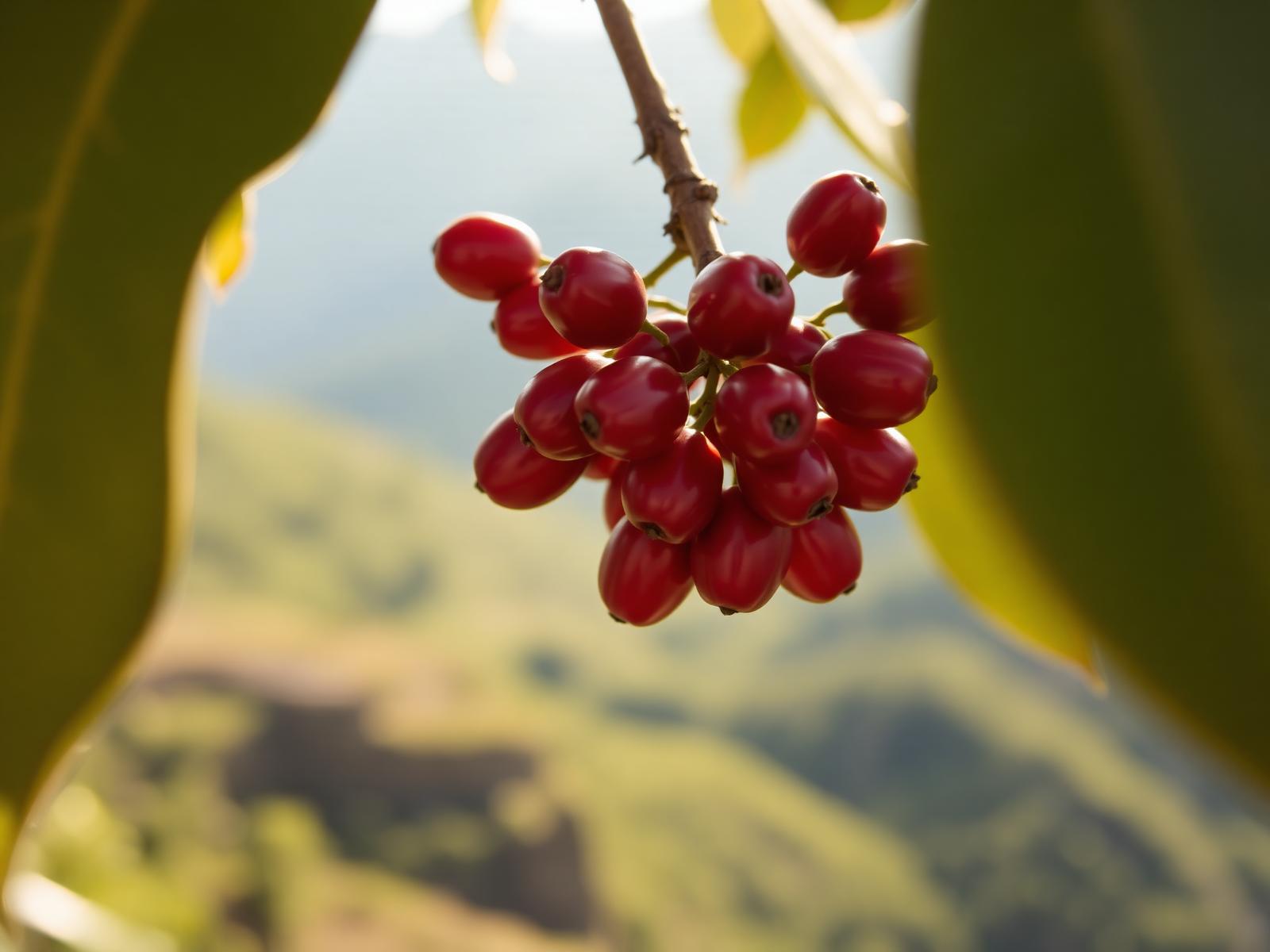
Four processes, one farm collective.
Wanoja Farms in Kamojang, West Java, processes the same Sigararutang variety four ways. The passports let you compare process against cup score with the underlying cupping sheet attached.
Kamojang, West Java. Clean citrus acidity, brown sugar sweetness.
Open the passportKamojang, West Java. Ripe tropical fruit, heavy body.
Open the passportKamojang, West Java. Red fruit, panela, honeyed finish.
Open the passportSouth Sumatra smallholder cooperative. Dark cocoa, walnut, low acidity.
Open the passportA cupping score is only as good as the sheet behind it.
Sensory claims carry the Q-grader who scored the lot, the date, and the scanned score sheet as an evidence file. Where a lot has not been scored yet, the passport says pending rather than guessing.
How the verification ladder works
Five lots from Buhl Origin.
Lab analysis, Q-grader breakdowns, and the original PDF reports are attached to each passport as downloadable evidence.
Nicaragua. The reference lot of the collection.
Open the passportWashed Maracaturra, Finca Mirjam. Lemongrass, soft cacao.
Open the passportWashed Red Catuaí, Finca Mirjam. Cacao and yellow fruit.
Open the passportNicaragua. Sensory analysis pending, recorded as pending on the passport.
Open the passportNicaragua. High-altitude washed lot.
Open the passportCacao under the same model.
Wild-grown Chuncho cacao harvested by Ashaninka Matsigenka families along the Urubamba river. The passport structure does not change between commodities, only the sections that describe processing.

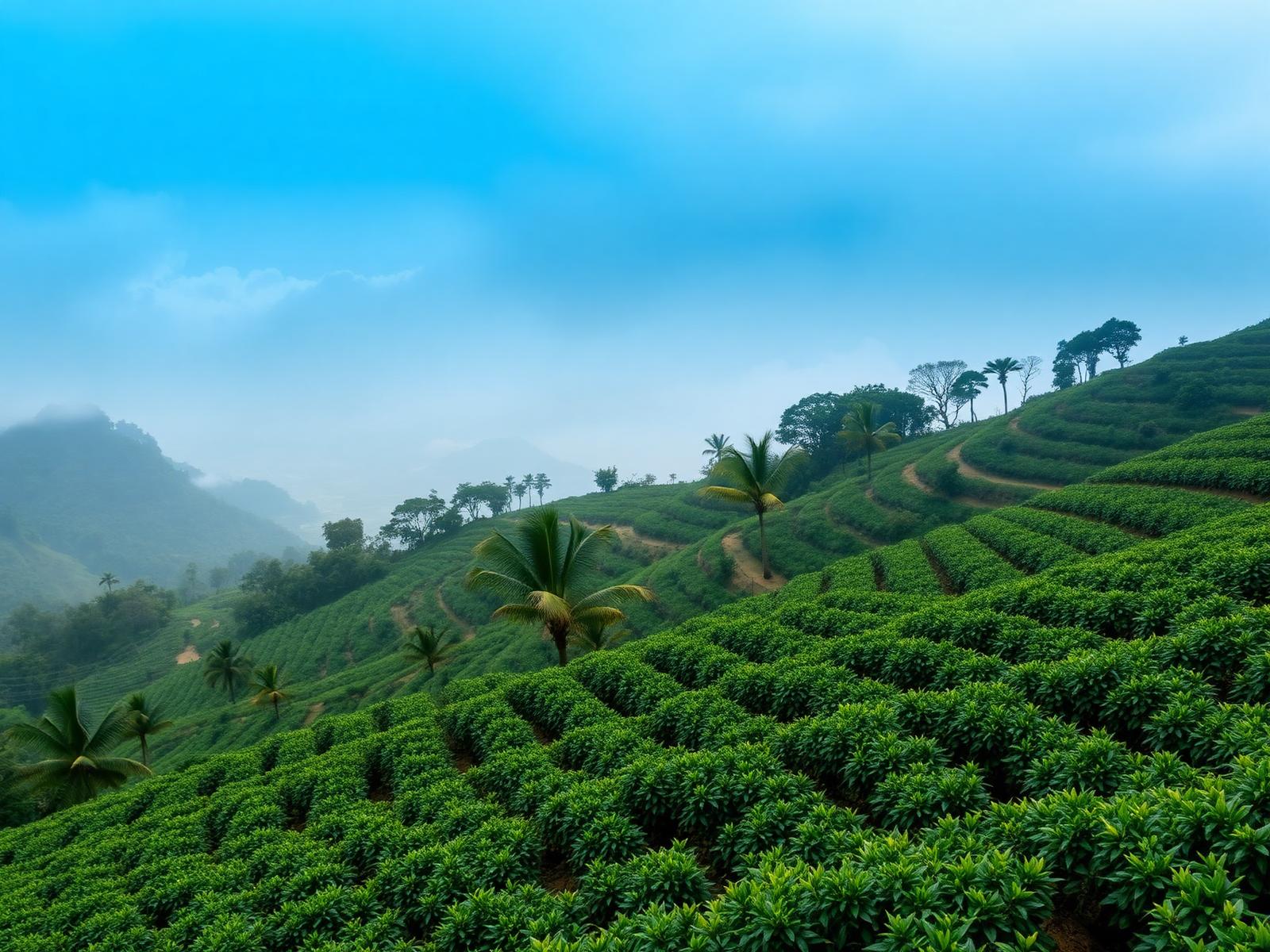
Deforestation-free, with the plot polygons to prove it.
Plot geolocation, plot size, and tree-cover-loss checks against JRC Global Forest Cover and Hansen data through WHISP sit on the passport. Commercially sensitive producer data stays behind disclosure controls.